
THE HISTORY OF MIRAN’S PASTIRMA
Published on Dec, 2025
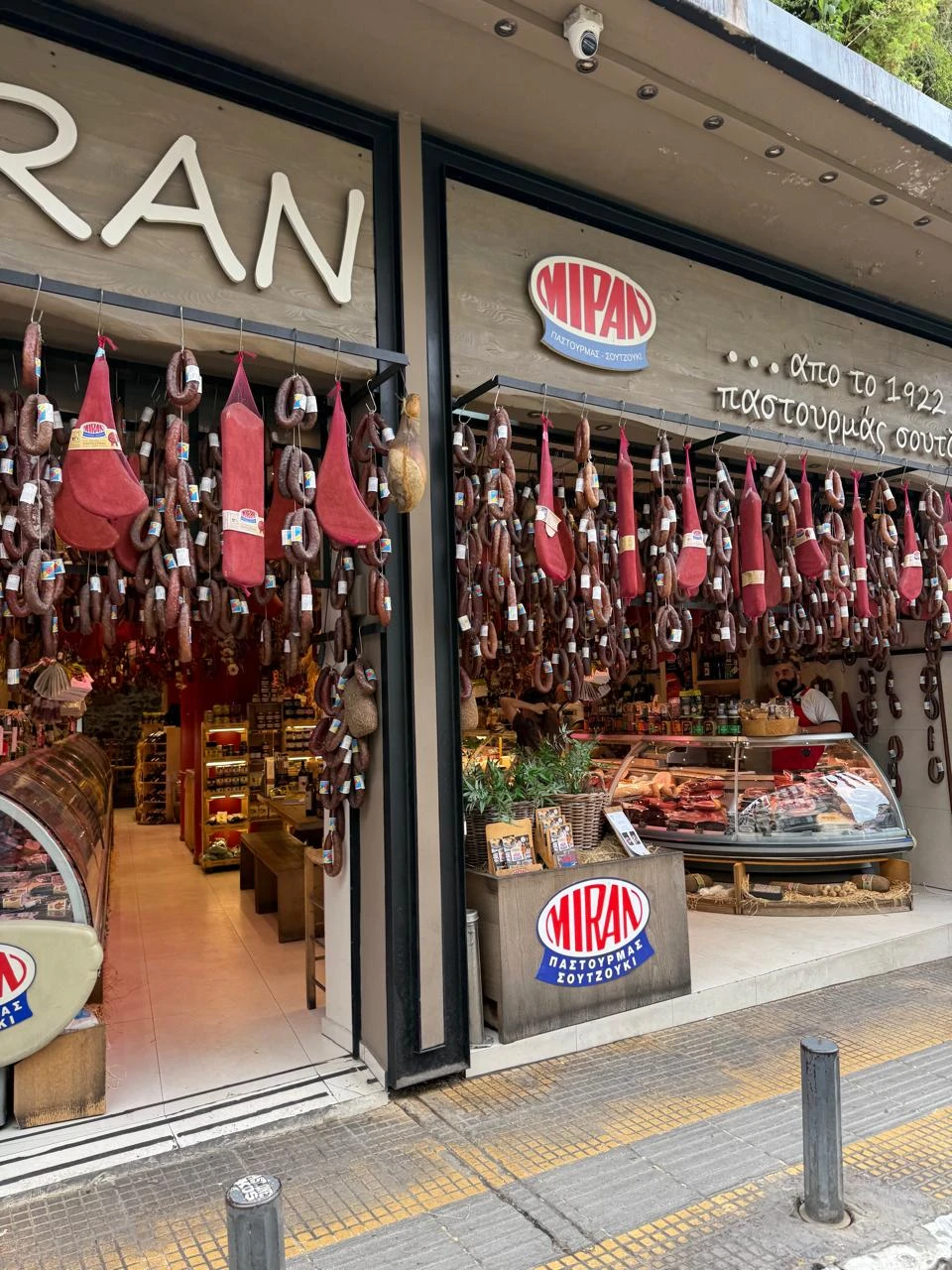
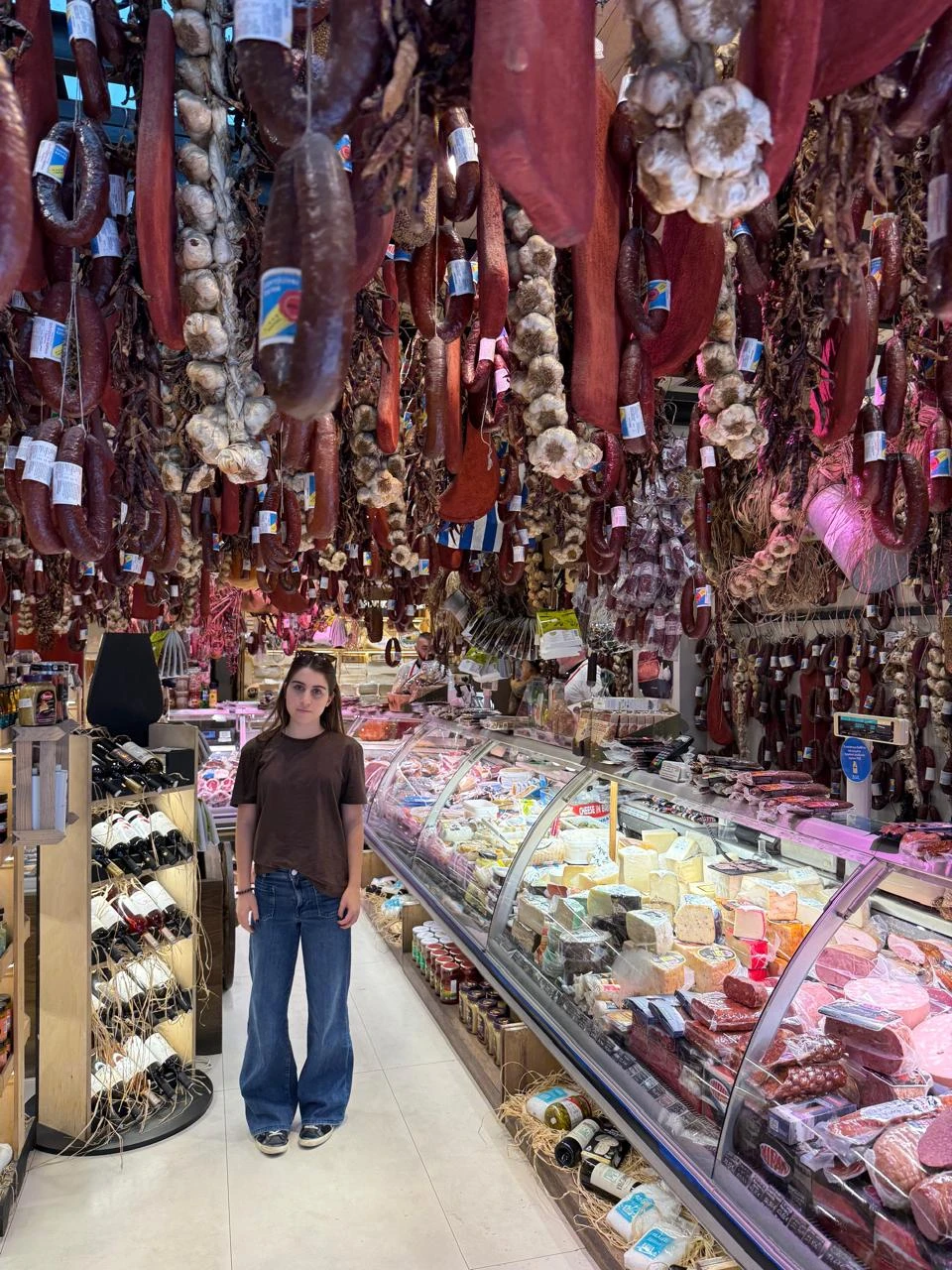
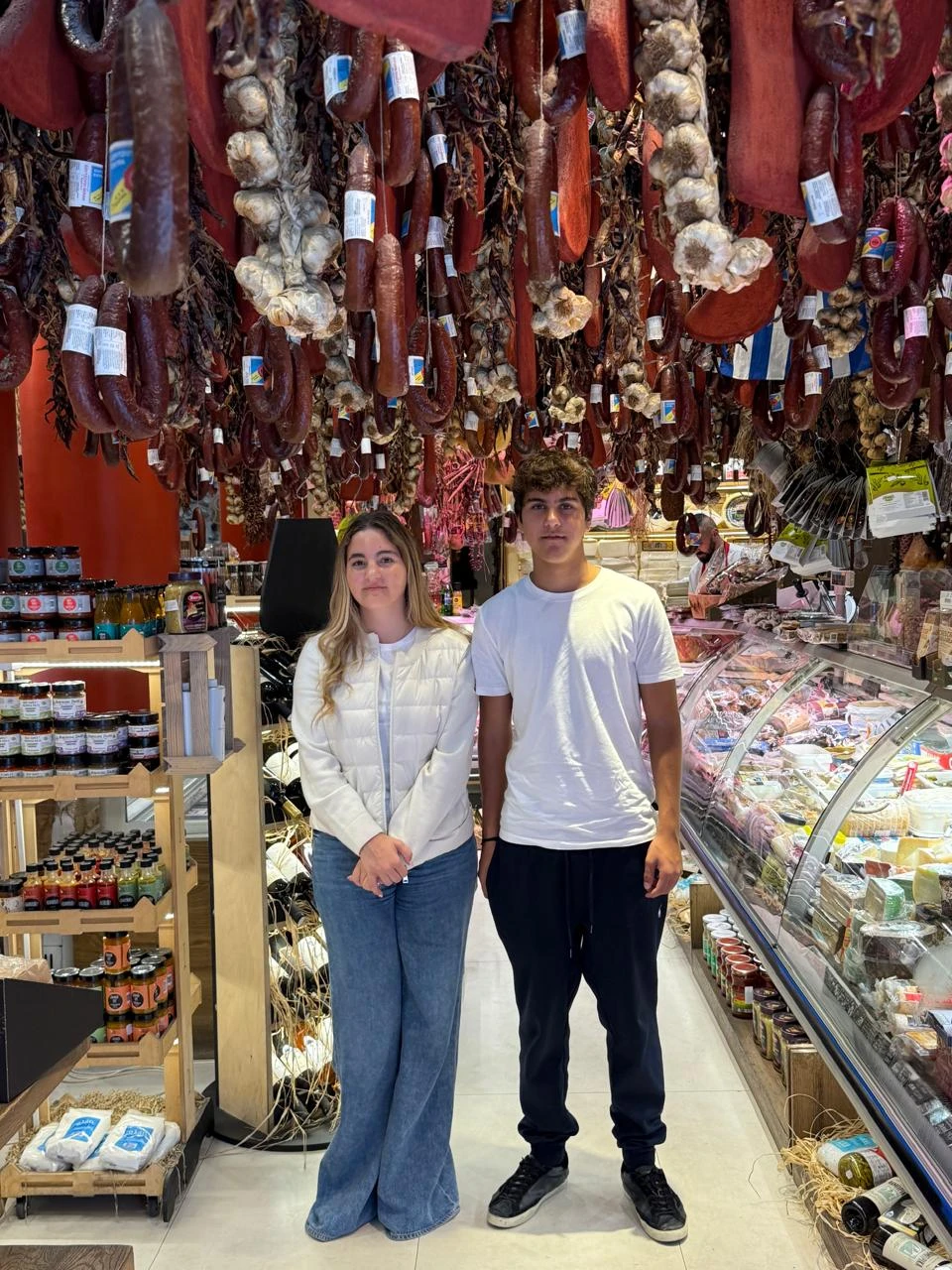
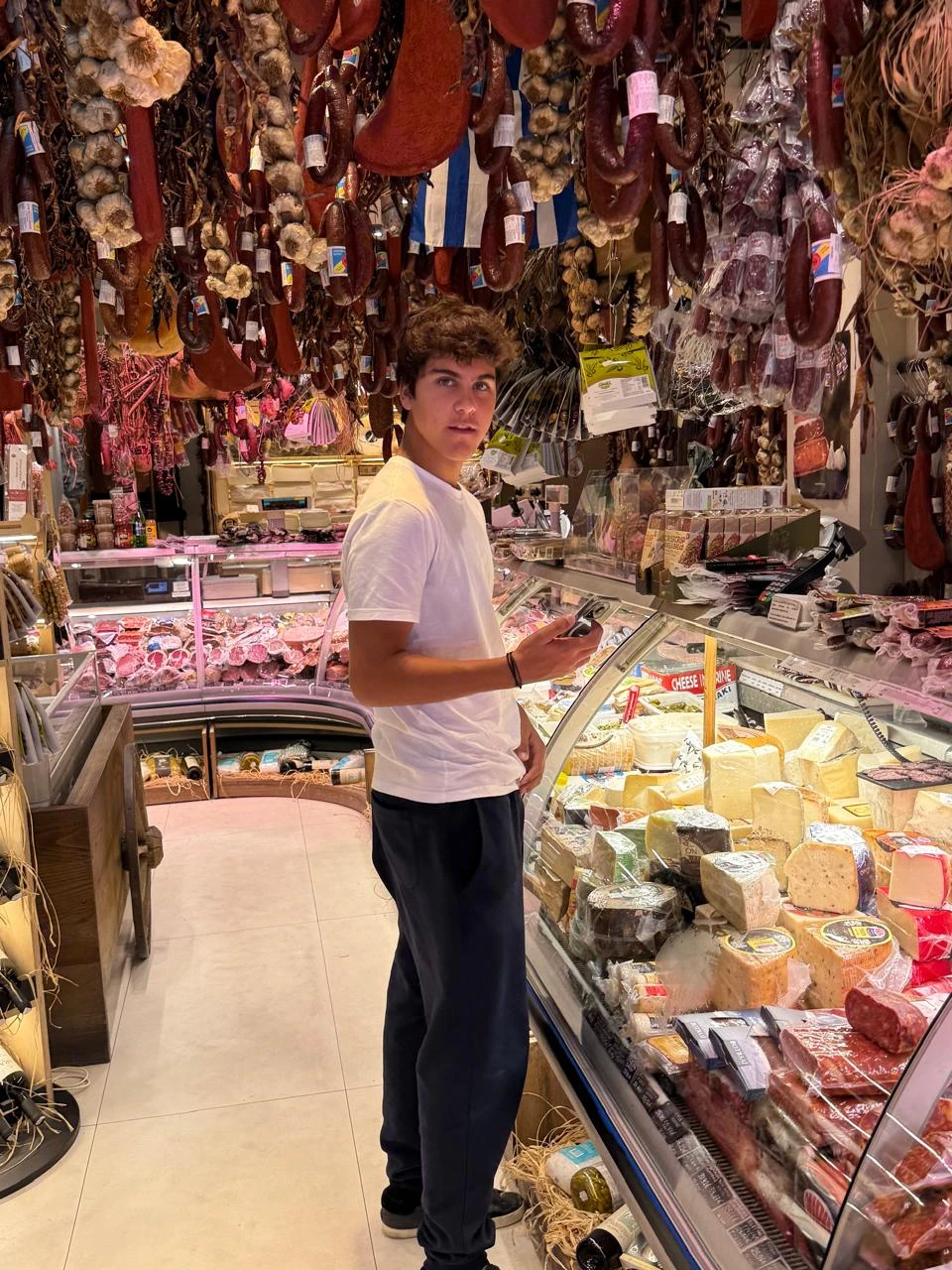
Pastirma is much more than just a taste— it has actually been a significant part of Armenian tradition for centuries. With this in mind, we visited Miran Kourounlian’s pastirma shop on Evripidou Street and had the chance to talk with him about his family’s story and the traditional craft of pastirma-making, which he continues to practice to this day.
Where in Armenia do you trace your roots?
Our roots lie in historical Caesarea, the capital city of Cappadocia. Armenians lived there for centuries and it was well known for its rich culinary traditions, its spices and especially for the craft of pastirma- making.
Who was the first member of your family to move to Greece, and when did that occur?
My grandfather, Miran Kourounlian, was the first to flee to Greece. He arrived in Athens in 1922, after having experienced the Armenian genocide in 1915, as well as the Asia Minor Catastrophe. He traveled here carrying just a few belongings, but with a heart full of dreams and a mind rich in knowledge.
How did your family begin making pastirma, and who was the first to practice the craft?
It all started with my grandfather, Miran. He opened a tiny shop, just three square meters, on Evripidou Street in the centre of Athens. This is where he began making pastirma the same way he had been taught in Caesarea.
Do you recall how you decided to continue this craft?
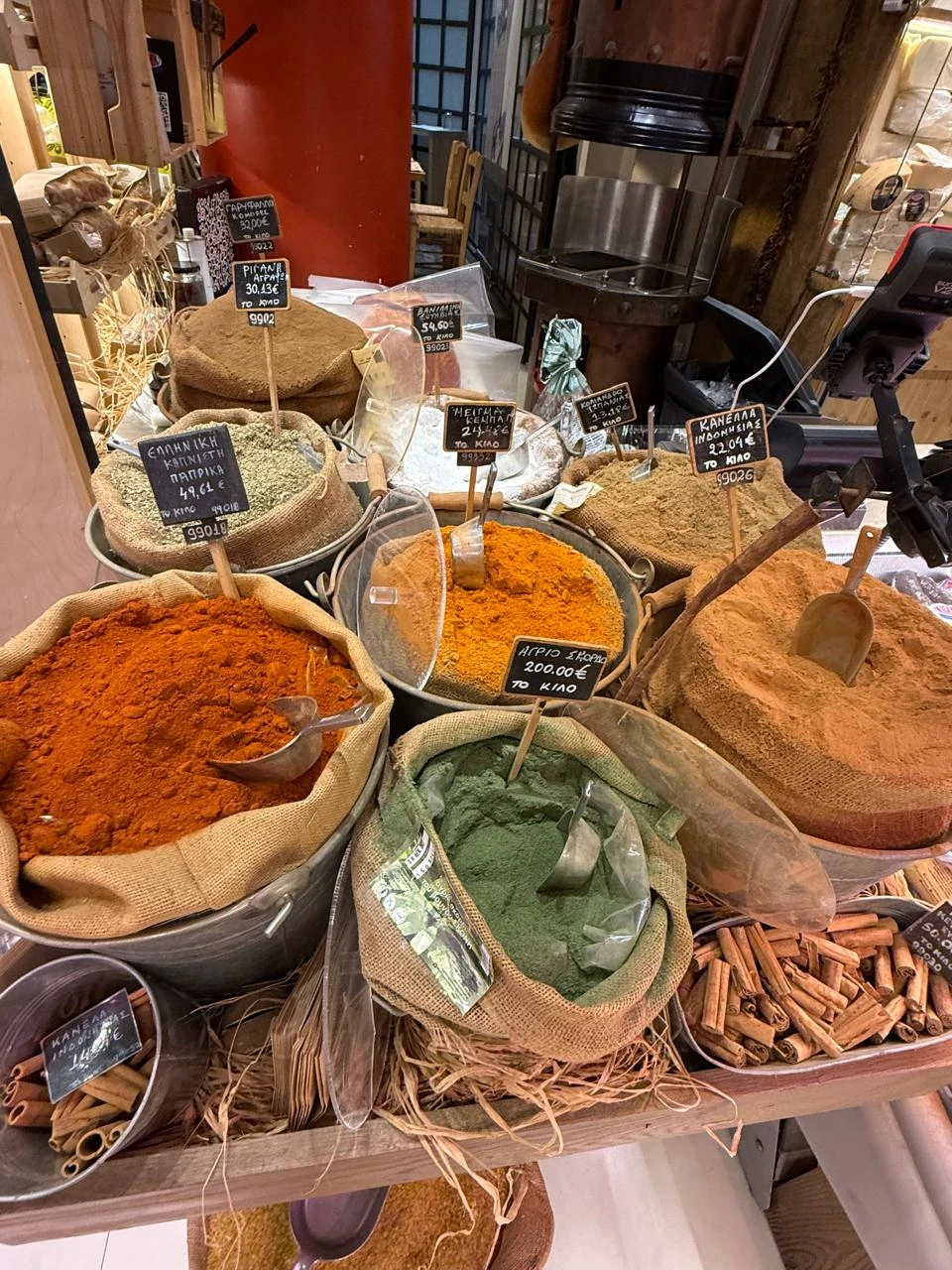
One of my most vivid childhood memories is the smell of fenugreek, the aromatic spice mixture that coats pastirma. My father and grandfather worked tirelessly, and it was only natural for me to follow their footsteps. It wasn’t just a job—it was a way of living.
Could you describe some of the key stages of pastirma-making?
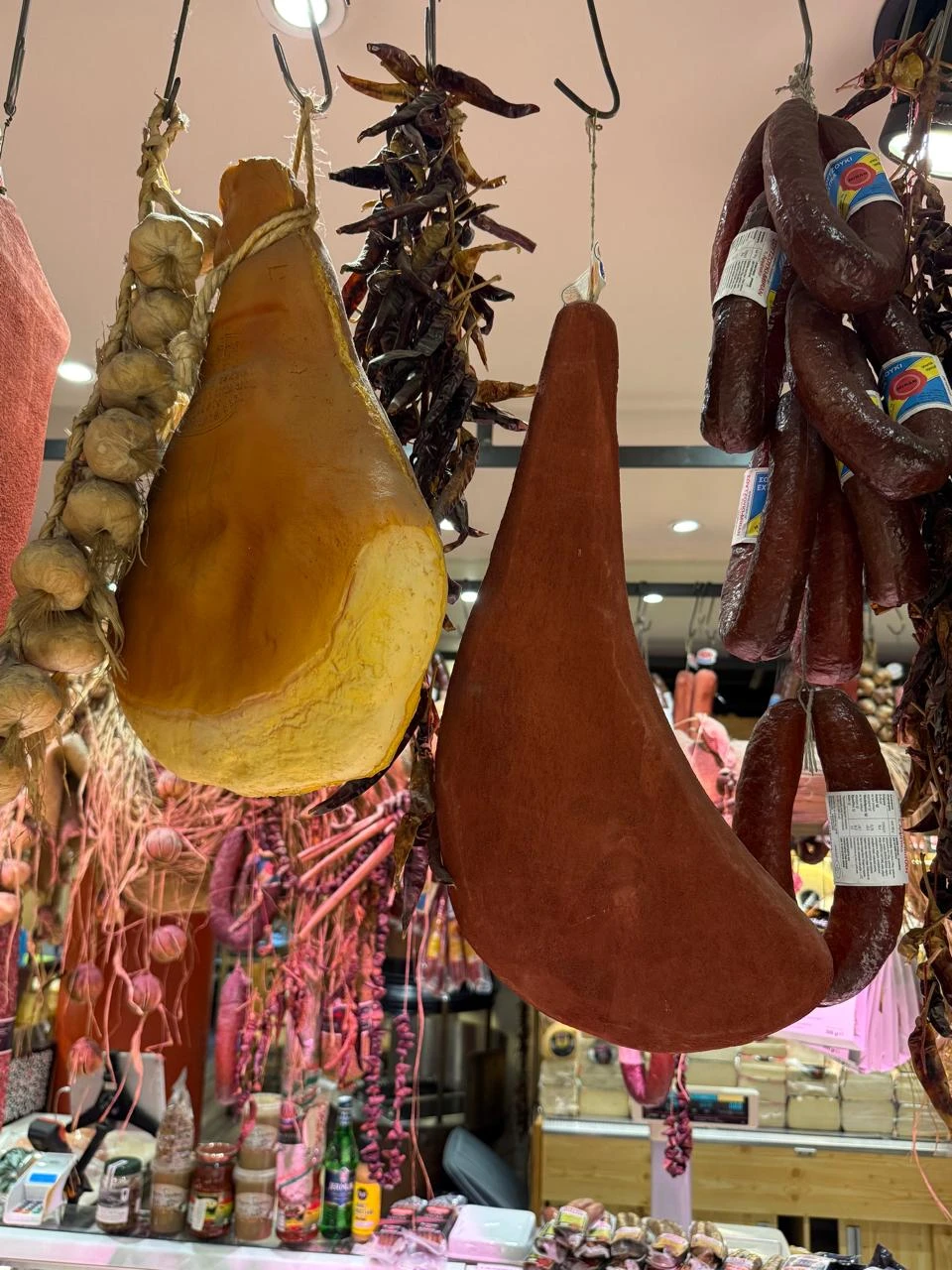
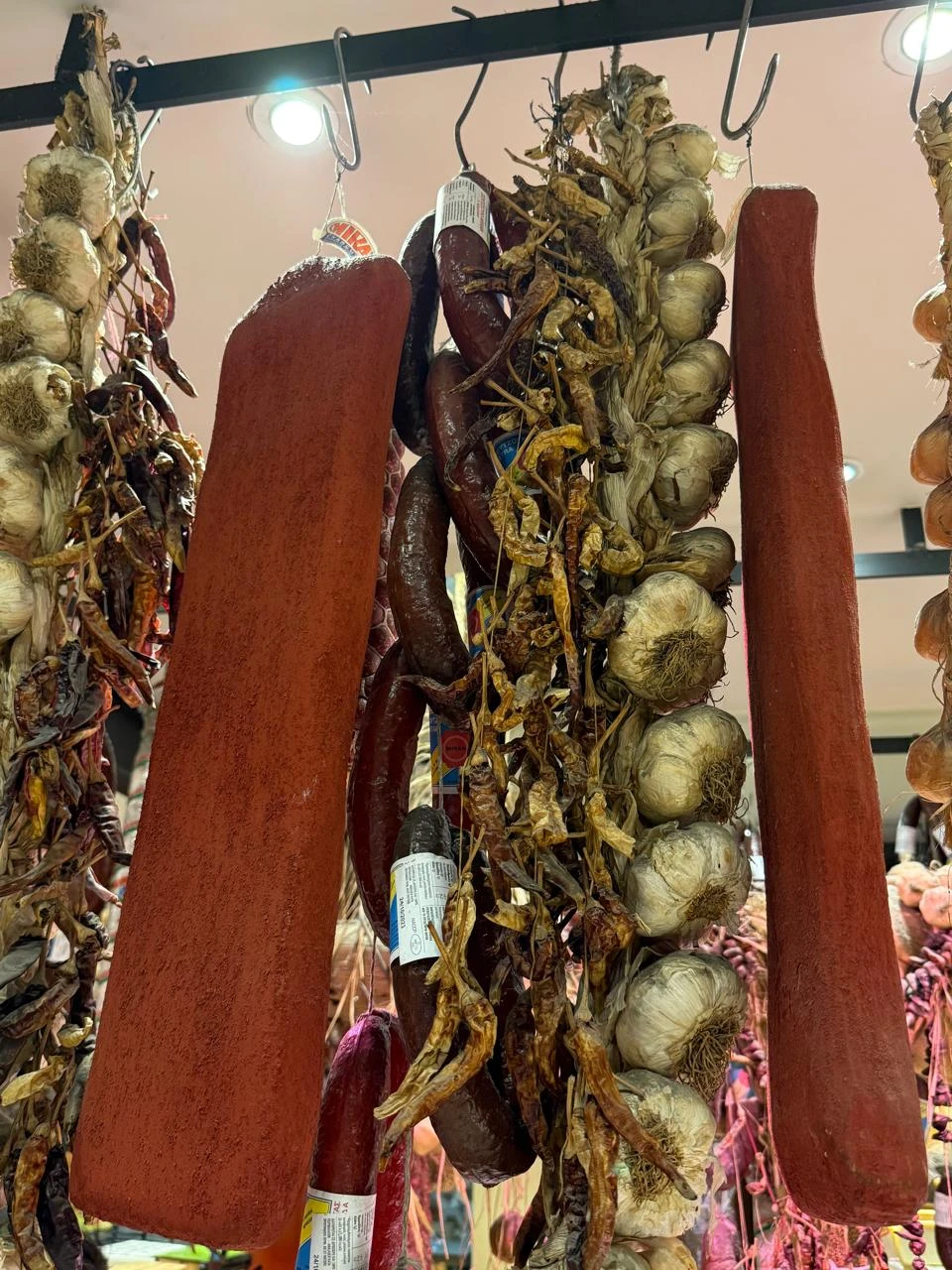
So, the process includes: selecting the best-quality meat, salting and aging, rinsing and drying, coating the meat with fenugreek (a mixture of spices with garlic), and then aging the meat again until it acquires its distinctive flavor.
What makes your pastirma stand out?
The careful selection of ingredients, the faithful adherence to the original traditional recipe, and the experience of nearly 100 years. Our pastirma is part of our history.
Does your family speak Armenian? Do your children know the language?
The older generations spoke Armenian fluently. The younger ones know only some words or phrases, but they are all deeply aware of their heritage.
Do you feel that through your craft you are keeping the Armenian traditions alive in Greece?
Definitely. Pastirma is one of Armenia’s signature products. Through our work we keep this tradition alive and we share it with the world.
How do customers react when they taste your products?
With excitement. Some say they remember pastirma from their parents, while younger people are impressed by its unique taste.
What is your vision for the future of this craft? Are you planning to continue this family tradition?
Our wish and hope is that the younger generations will continue pastirma-making, preserve the quality of our products and ensure that the authentic MIRAN pastirma becomes known to people all over the world.